Key Pilgrimage Facts at a Glance
About the Temple
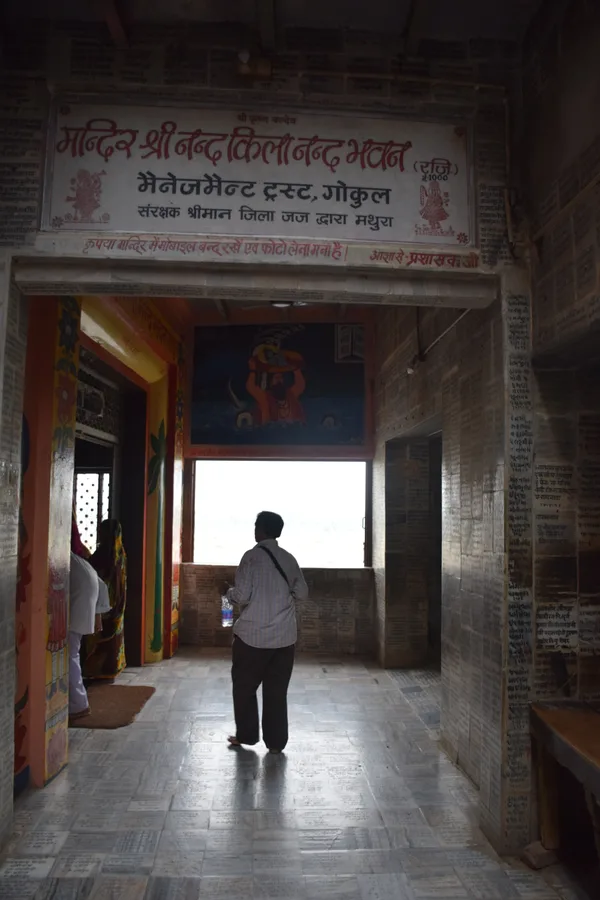
Nand Bhawan
Spiritual Significance
Nand Bhavan Gokul
History & Divine Manifestation
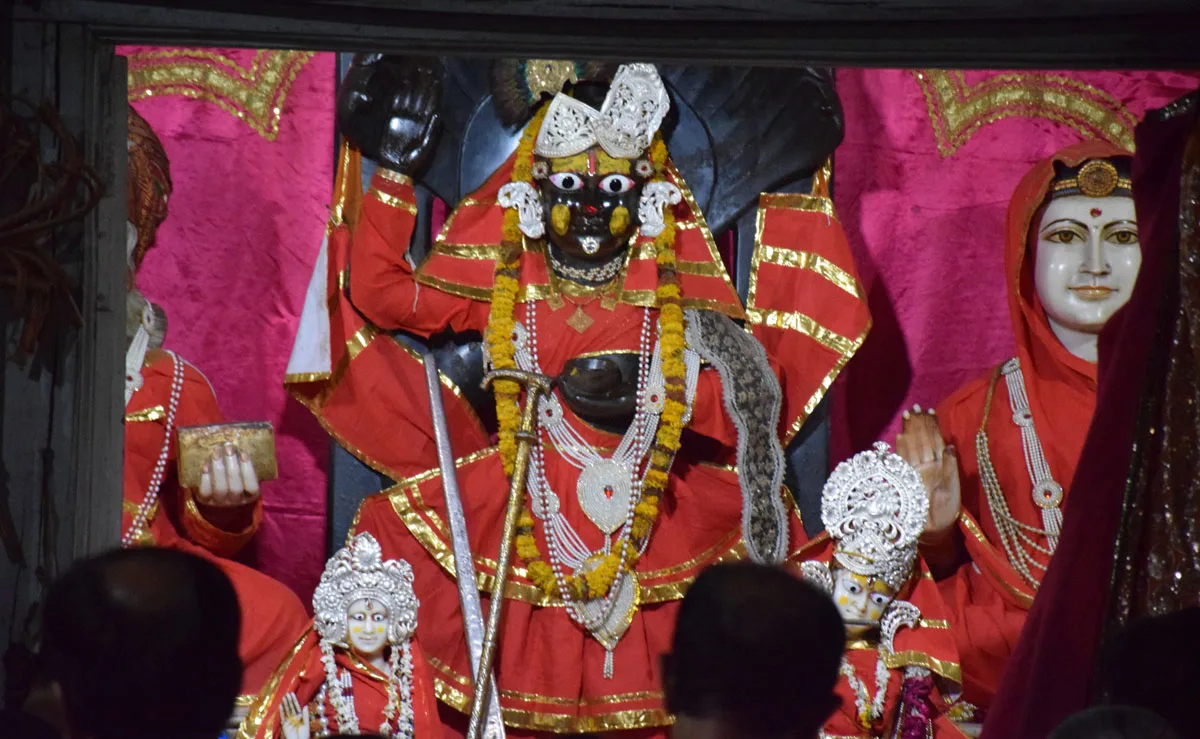
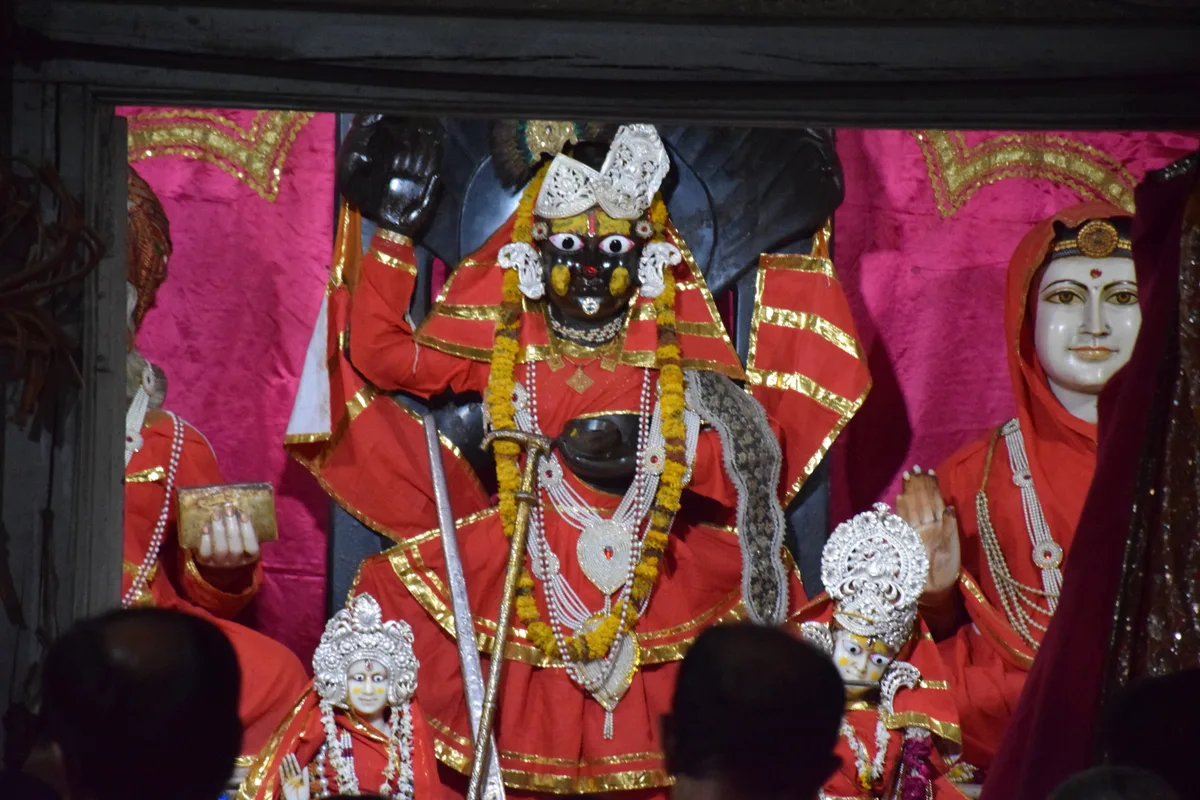
The Supreme Lord Shree Krishna and Yogmaya took birth as twins from the womb of mother Yashoda in her room in Nanda’s place. They were born at midnight on Astami (the eight day after the full moon) in the month of Bhadra when the star (nakshatra) known as Rohini was visible in the sky. One can take darshan of Yogmaya here. Srimad-bhagvatam vividly describes how the most fortunate Nanda Baba became very joyful upon receiving a son. After the ceremony known as nadicheda-samskara had been performed, in which the umbilical cord is cut, baby Krishna was bathed and so on. Nanda Baba then called the Brahmans to perform the various purificatory rituals and other rites of childbirth.
Religious Practices & Traditions
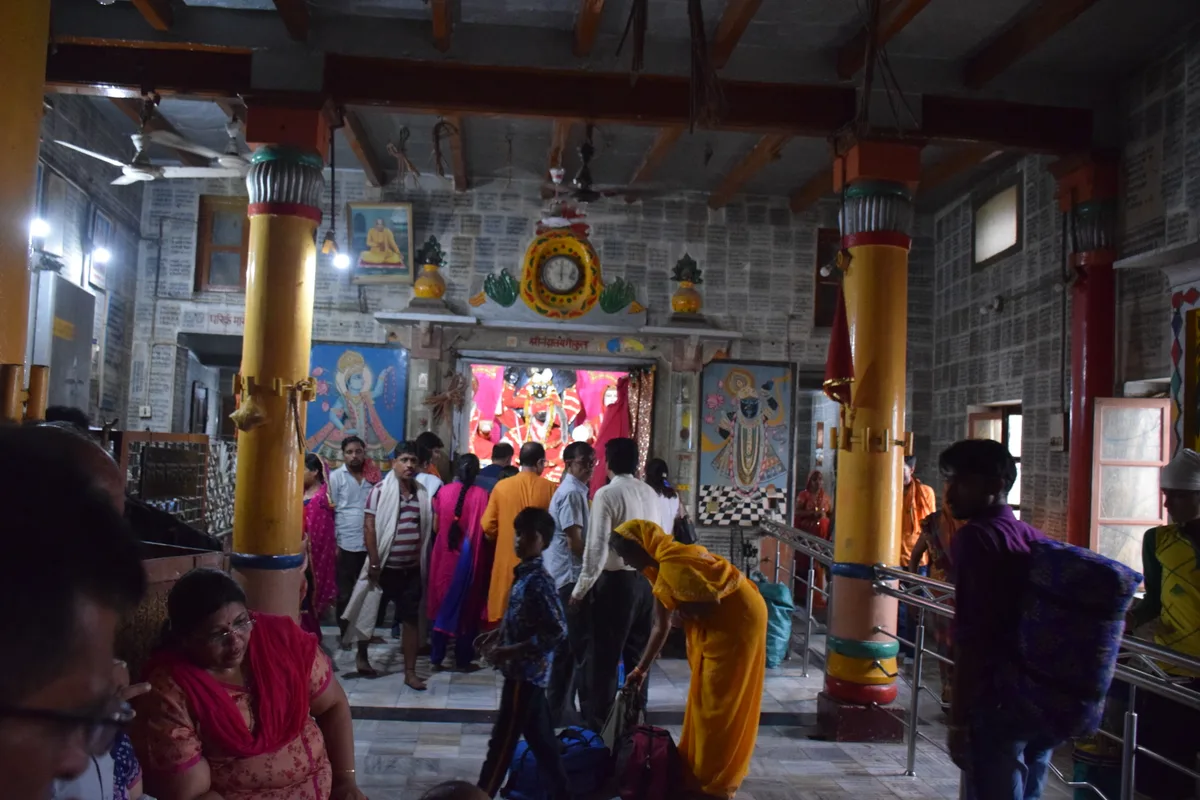
Devotees take darshan of the presiding deity, offer traditional bhog and garlands, participate in morning and evening mangla/sandhya aartis, and perform parikrama of the sanctum.
Architecture & Structure
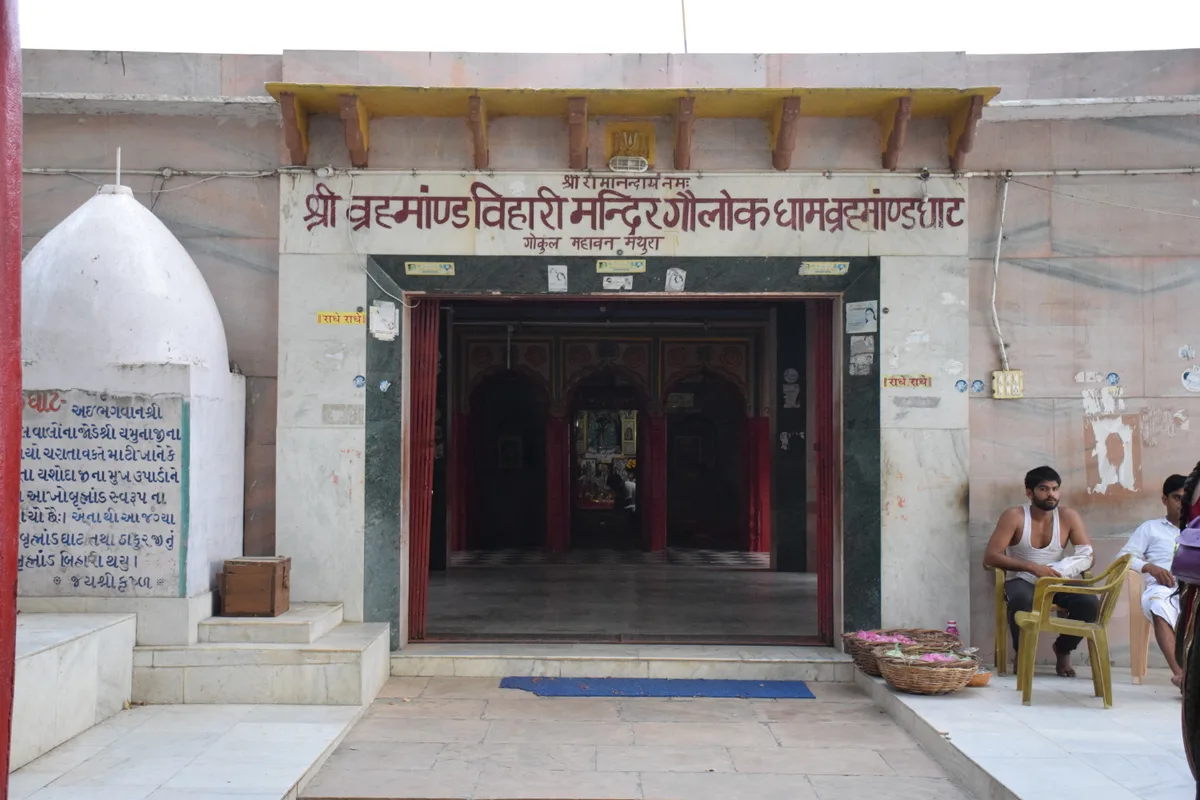
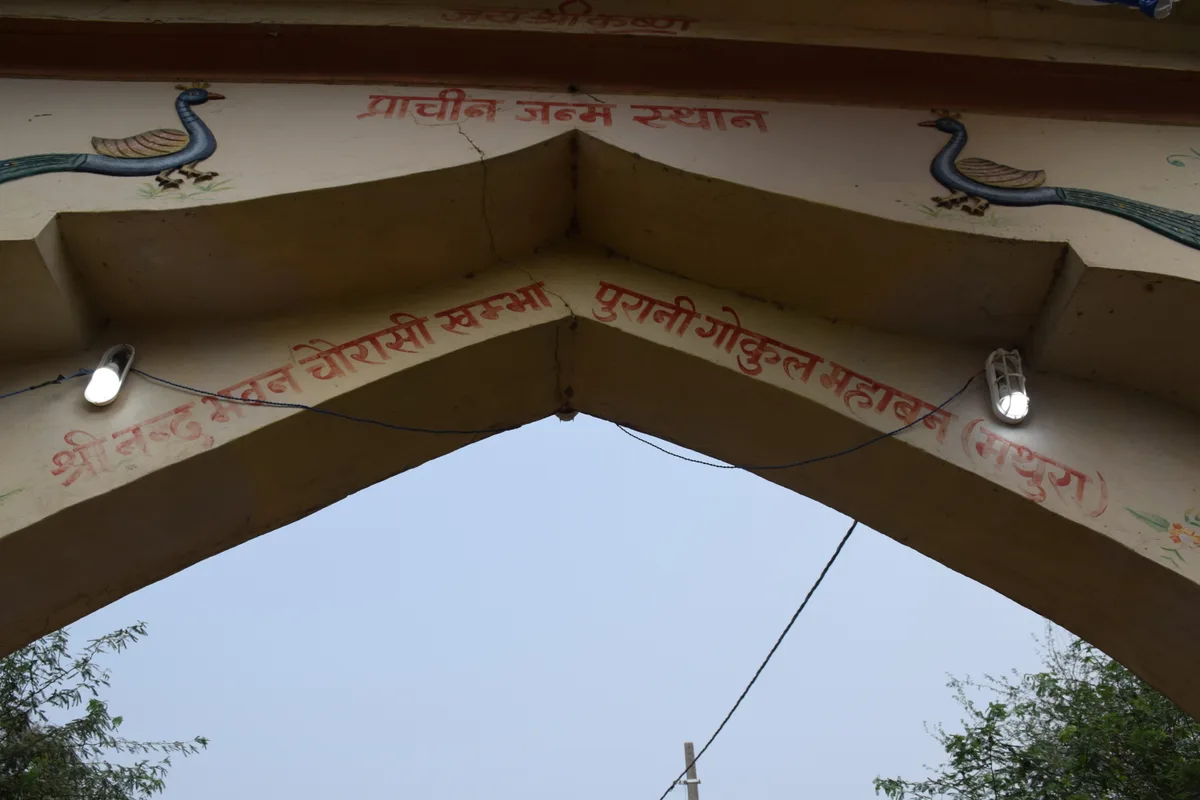
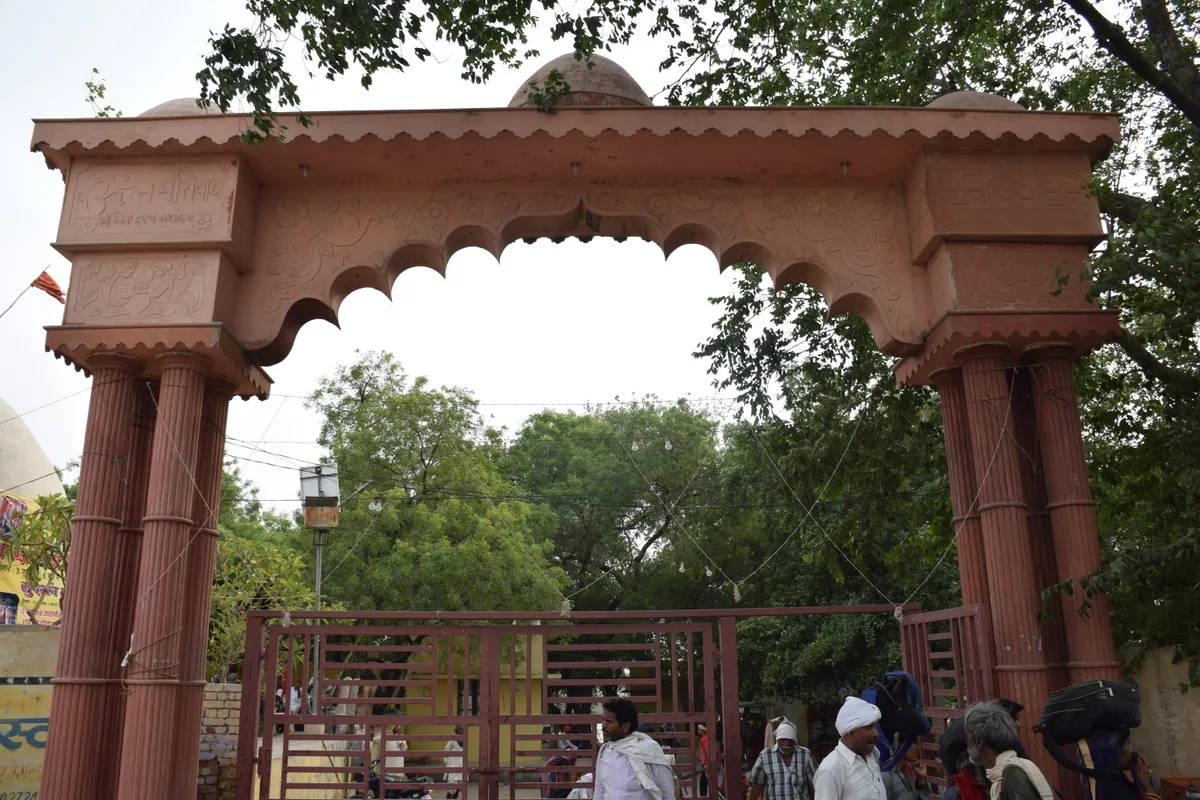
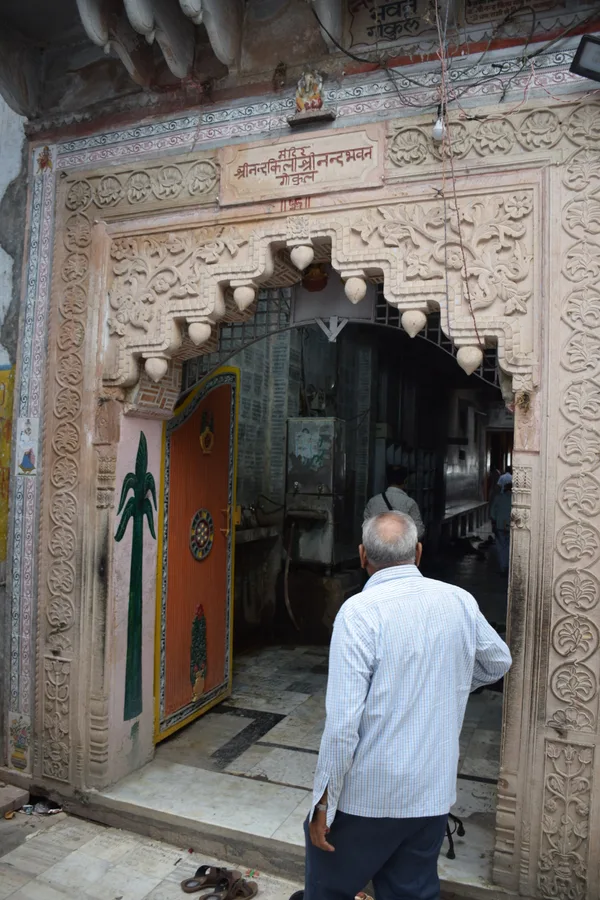
Built in traditional North Indian Braj architectural style with carved red sandstone arches, an inner sanctum (Garbha Griha), and an open courtyard for congregational prayer.
Photo Gallery
10 Photos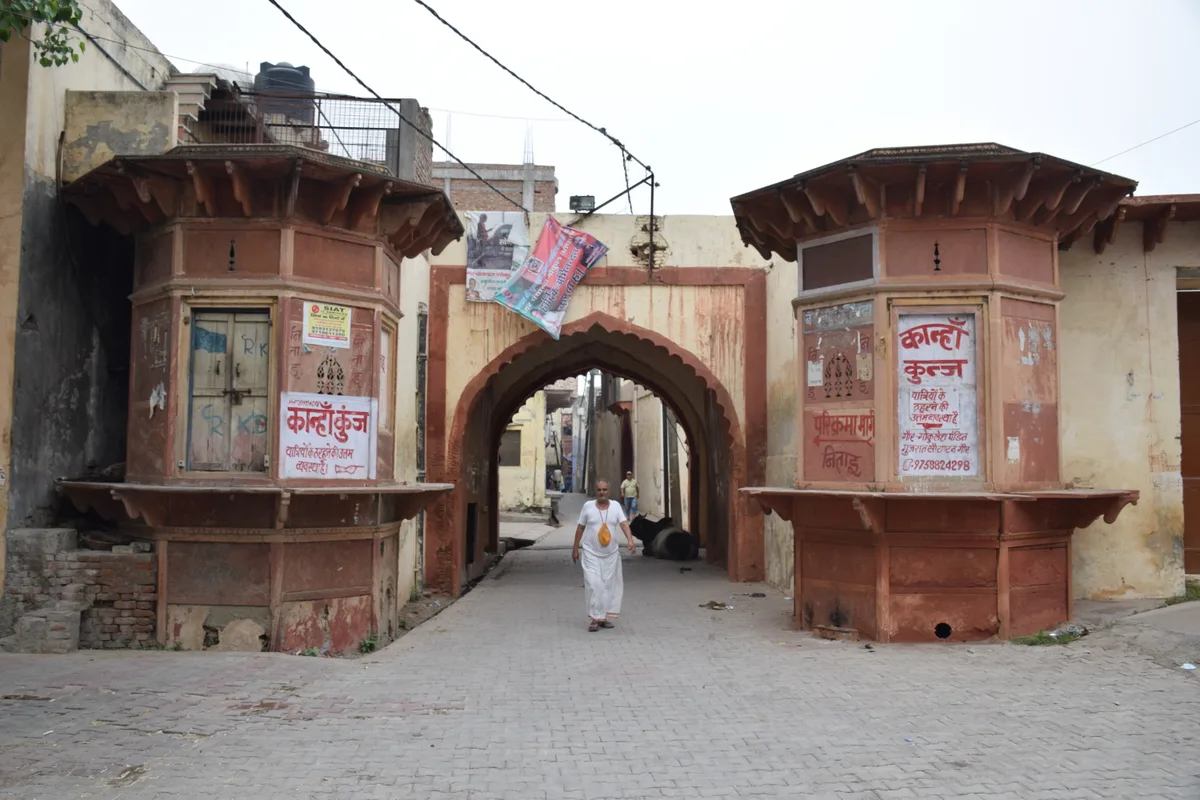
Travel & How to Reach
Accessible easily from Mathura and local transport routes in Vrindavan.
How to Reach
Directly accessible via auto-rickshaw, e-rickshaw, or private taxi from Mathura Junction (approx. 10-15 km).
Nearby Transit Hubs
Mathura Junction Railway Station, local e-rickshaw stands.
Footwear stands and locker facilities are available near the entrance. Photography rules apply inside the sanctum.