Key Pilgrimage Facts at a Glance
About the Temple
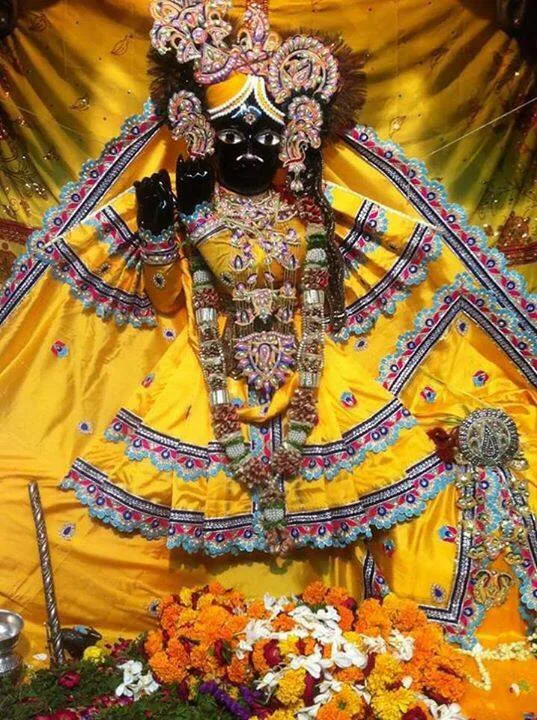
Lala Babu Temple: Mystical center of attraction Lala Babu Temple in Vrindavan is one of the few temples in the city that illustrate the zeal of a devotee towards the services of Lord Krishna. This temple is the result of unending devotion in the lord and is an epitome of faith in the pious land.
Spiritual Significance
At Brijwale, we let you know about every temple in Vrindavan. We intend to serve you with the best possible knowledge about the centers of devotion and faith. For us, your tours are of utmost importance; hence aim to make your every tour complete and cherished.
History & Divine Manifestation
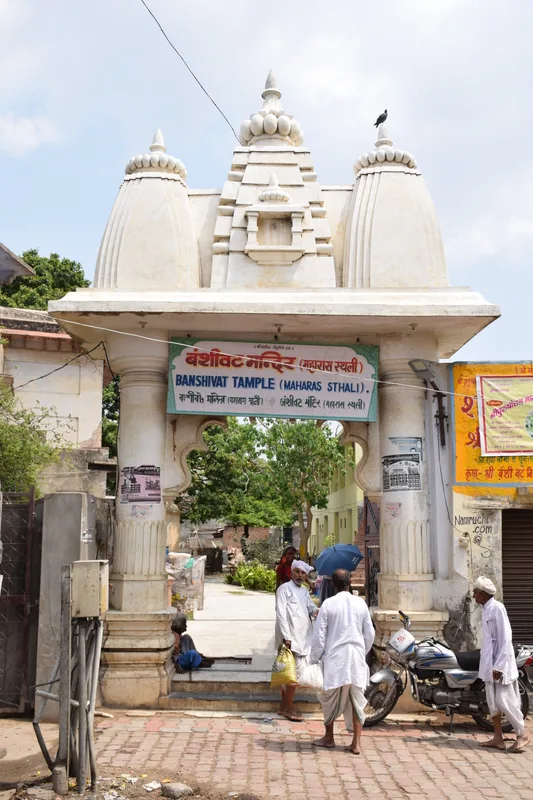
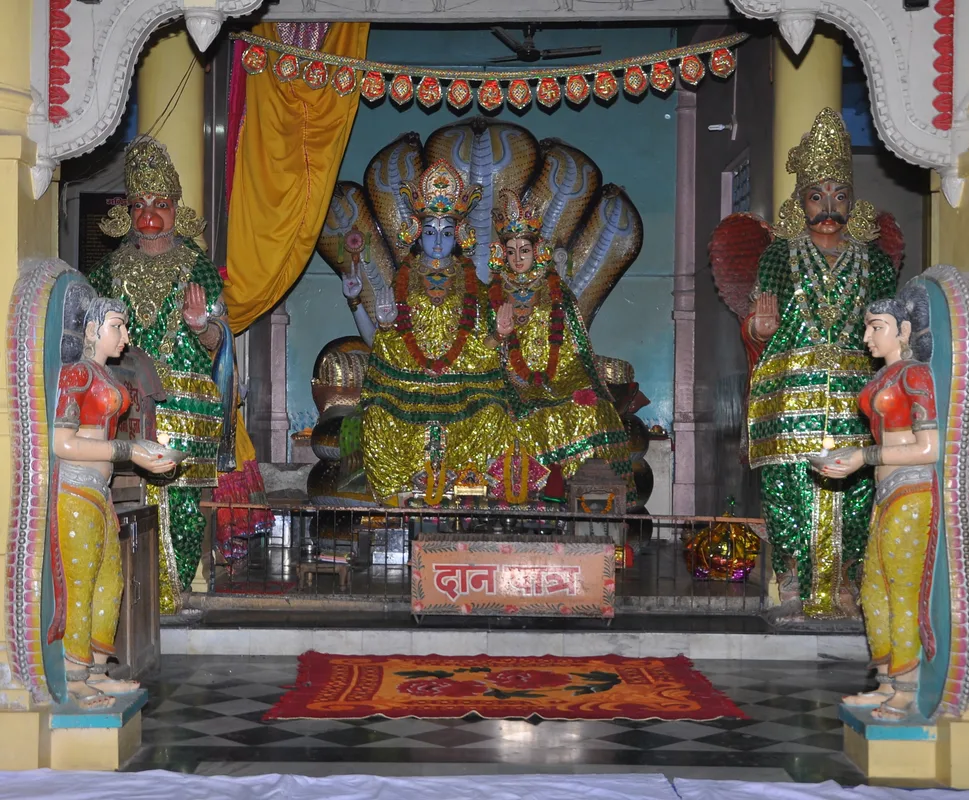
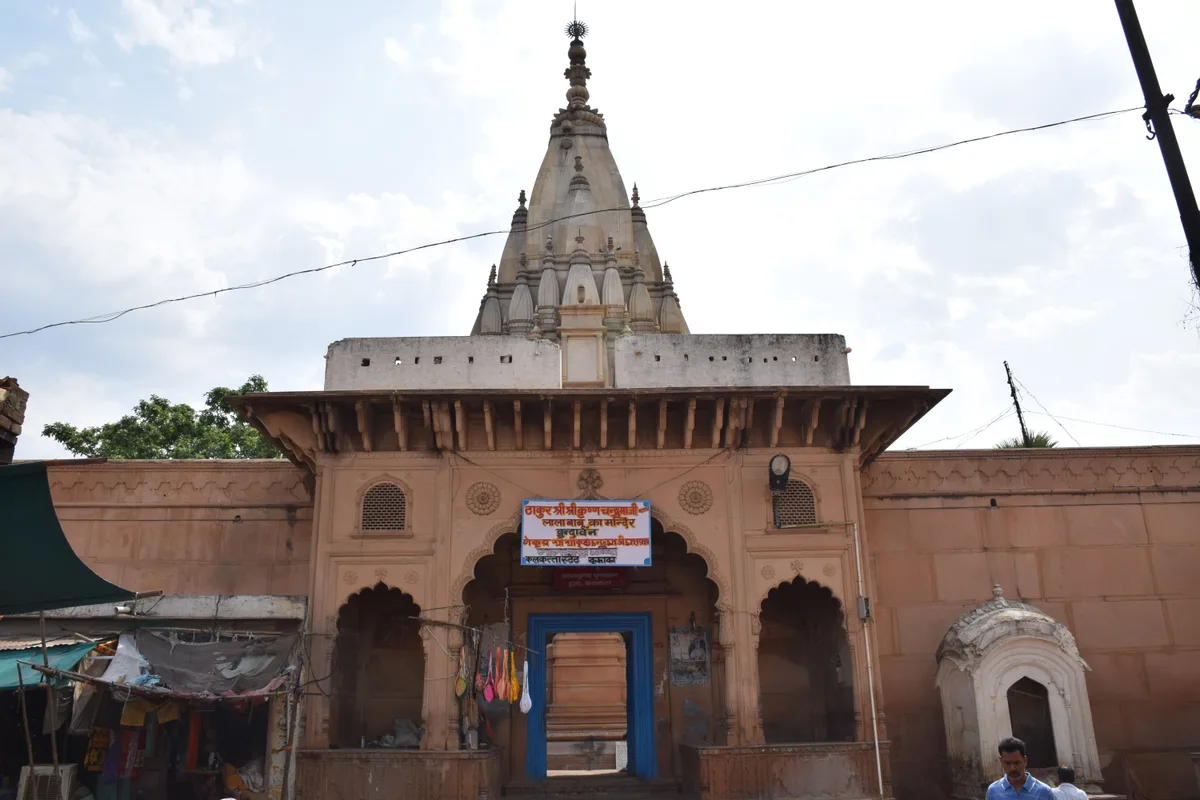
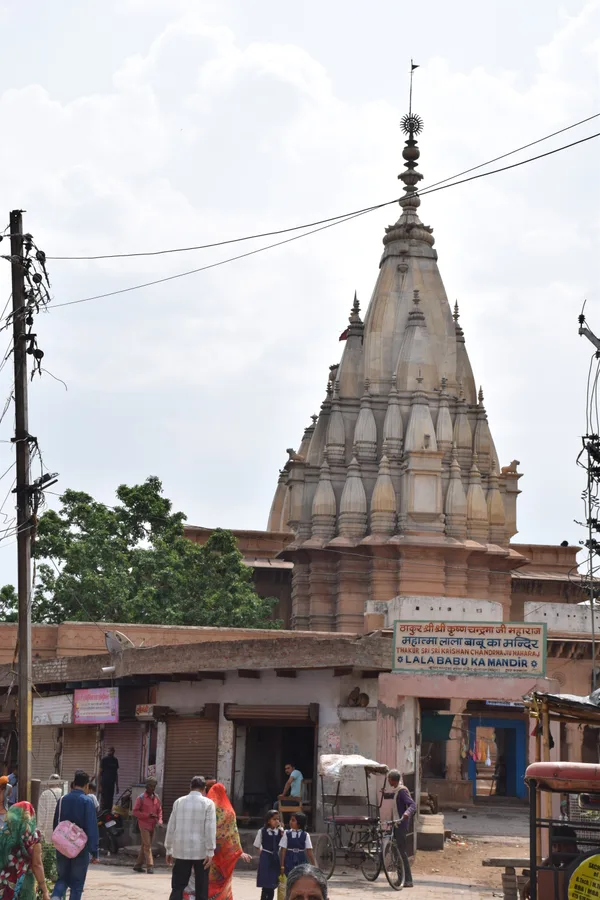
Vrindavan is said to be the land of salvation and it is believed that constructing temples in the city eases the path of salvation. With the same intention, a trader named Krishna Chandra from Kolkata built this temple. Since the trader was known as Lala Babu himself, the temple also came to be known with the trader’s name. If the legends are to be believed, Vrindavan is a destination where Lord Krishna is the sole ruler. Whatever happens here is on the commands of the almighty. The region is destiny based and everything that happens here is planned by destiny. Lala Babu temple in Vrindavan is the fruit of the same destiny which brought this trader to Vrindavan. A beautiful structure in itself, the Lala Babu Mandir is very famous amongst the devotees from Bengal. Built during the British reign, the Lala Babu Temple is surrounded by huge stone wall and a vaulted gateway on both ends of temple. The temple building is 60feet long and is centered with the deity of Radha Krishna that enhances the beauty of temple. The Lala Babu Temple is an ancient temple that beholds immense devoutness in itself. Devotees visiting the temple revere the tranquility in the temple. Lala Babu Mandir is also popular amongst the local residents as it is believed that the Lord residing in the temple fulfills all the wishes of every devotee visiting this temple.
Religious Practices & Traditions
Devotees take darshan of the presiding deity, offer traditional bhog and garlands, participate in morning and evening mangla/sandhya aartis, and perform parikrama of the sanctum.
Architecture & Structure
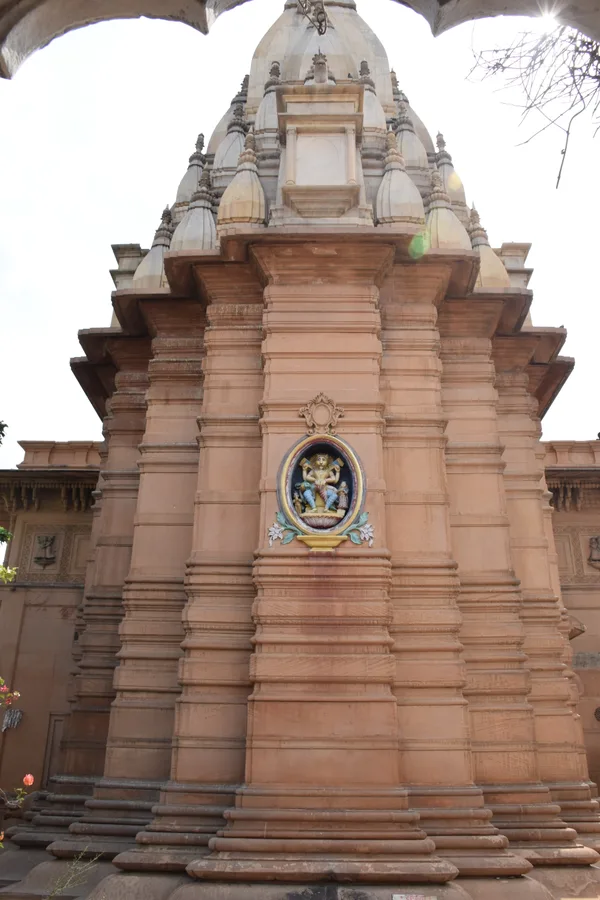
Built in traditional North Indian Braj architectural style with carved red sandstone arches, an inner sanctum (Garbha Griha), and an open courtyard for congregational prayer.
Photo Gallery
4 Photos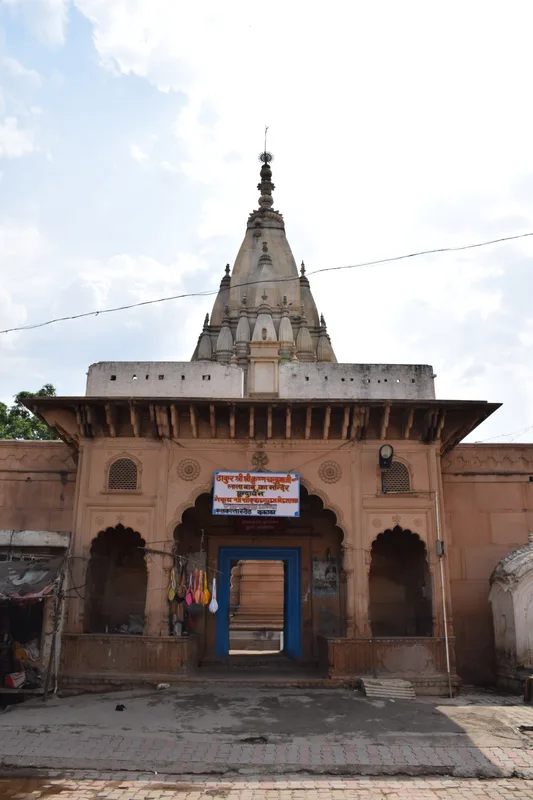
Travel & How to Reach
Accessible easily from Mathura and local transport routes in Vrindavan.
How to Reach
Directly accessible via auto-rickshaw, e-rickshaw, or private taxi from Mathura Junction (approx. 10-15 km).
Nearby Transit Hubs
Mathura Junction Railway Station, local e-rickshaw stands.
Footwear stands and locker facilities are available near the entrance. Photography rules apply inside the sanctum.