Key Pilgrimage Facts at a Glance
About the Temple
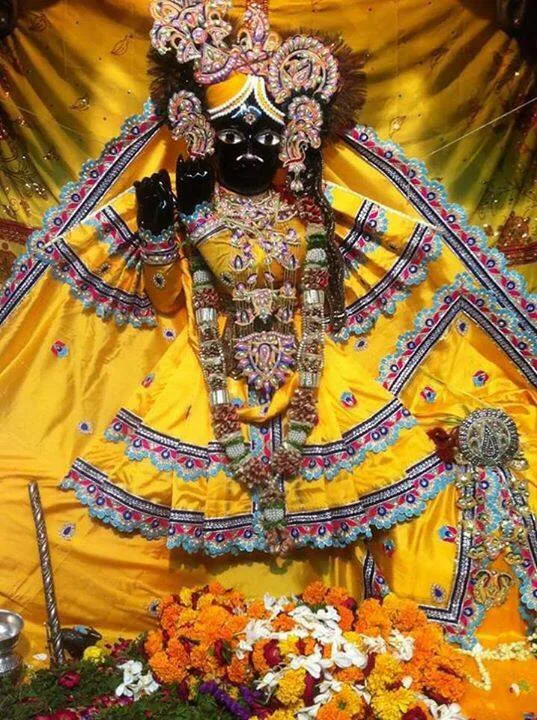
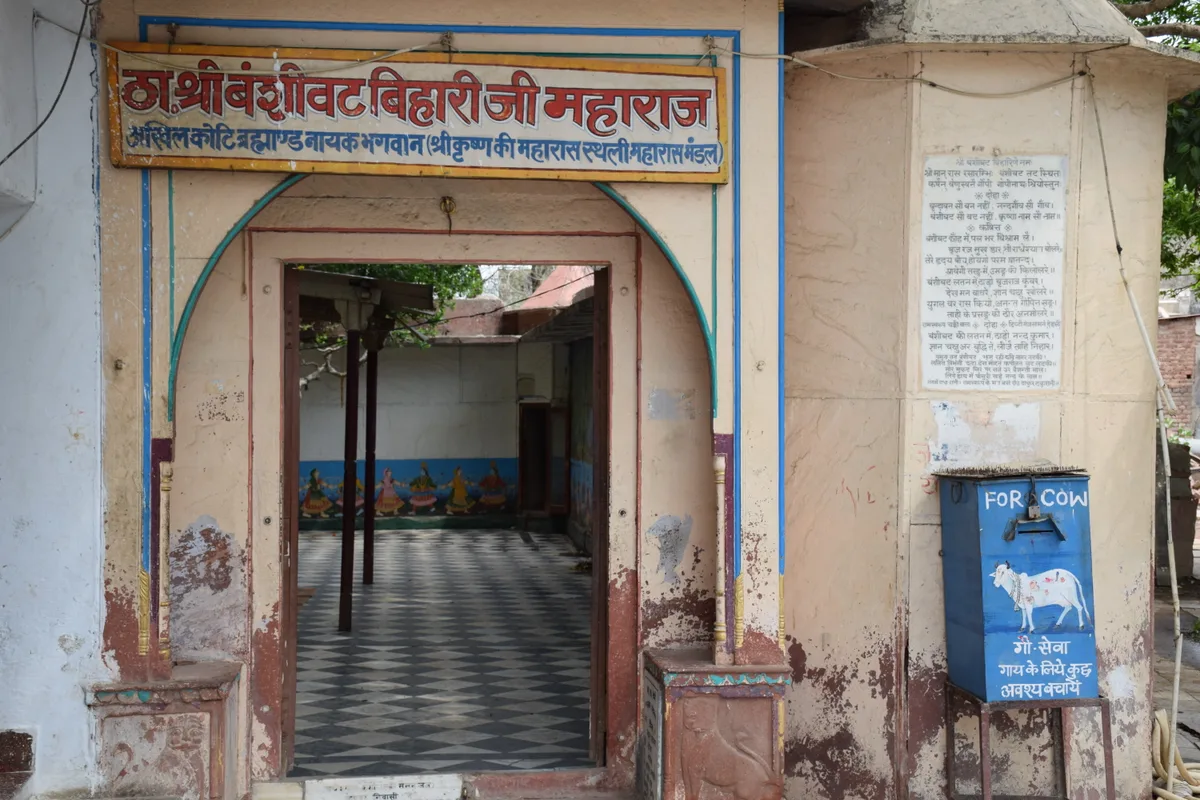
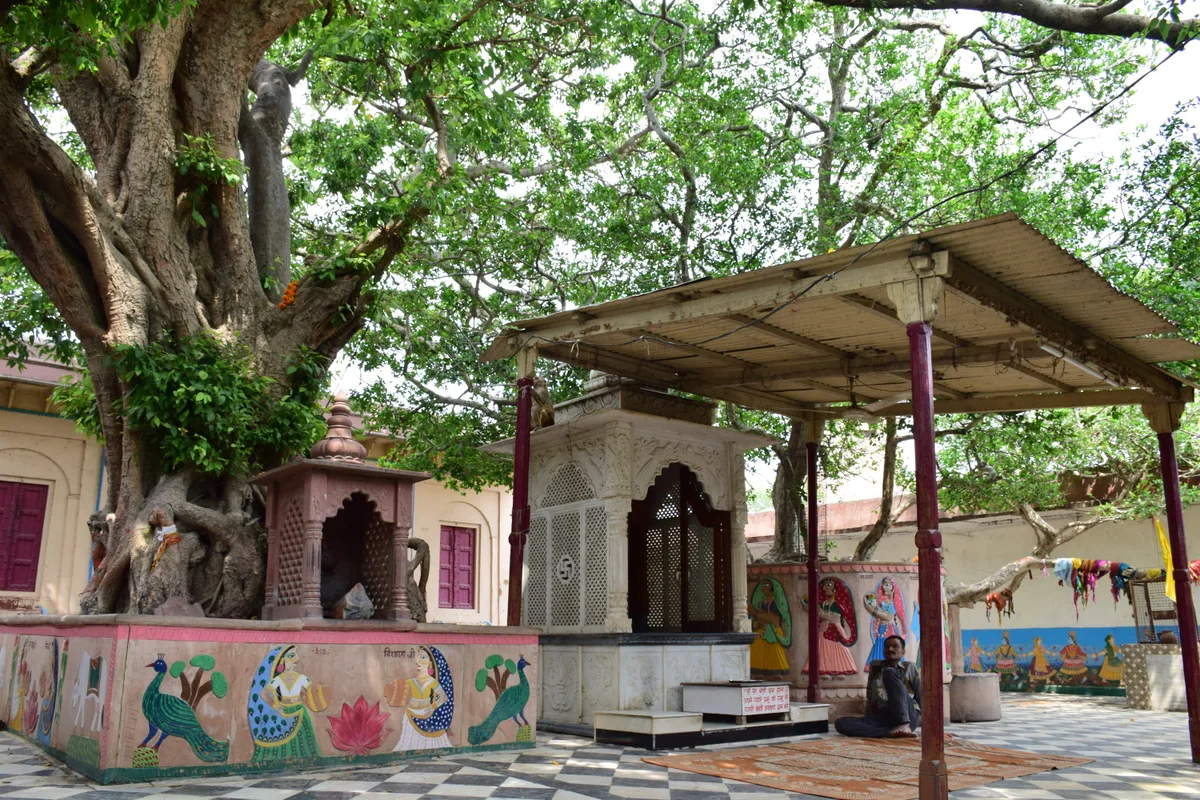
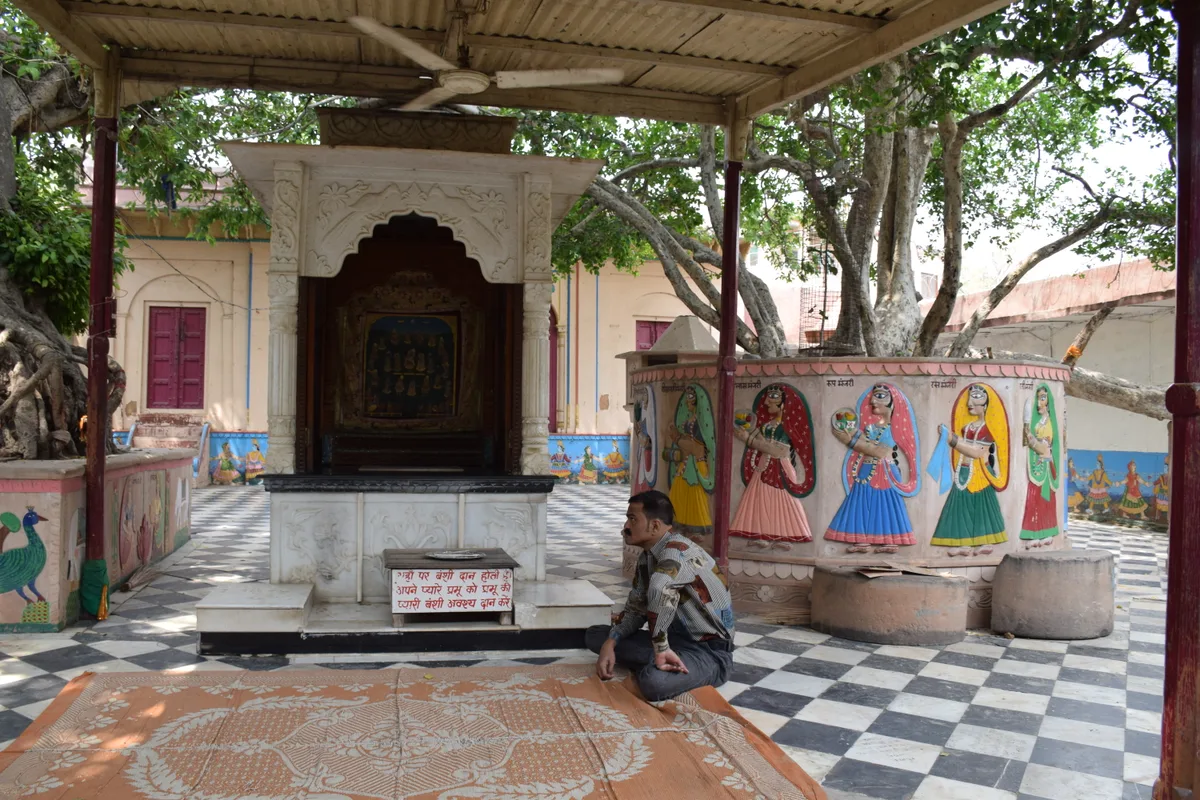
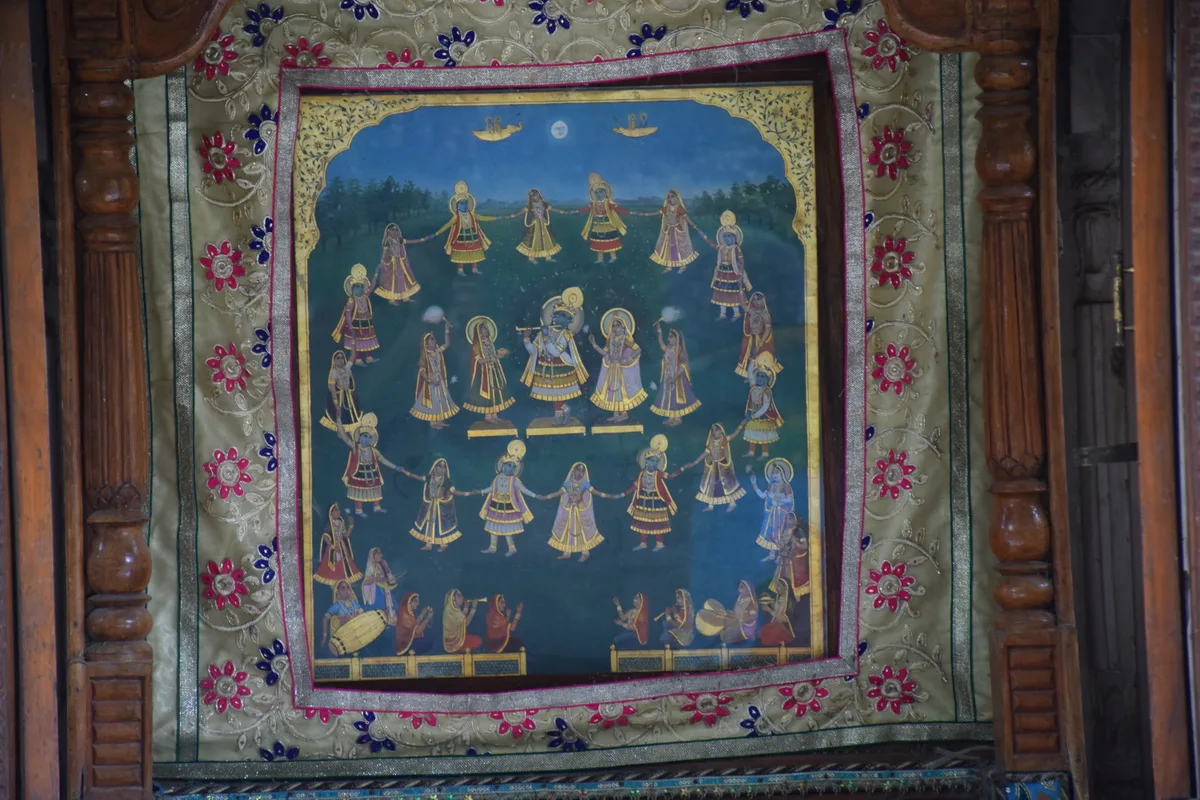
Vrindavan is renowned for its consciousness towards Lord Krishna. The city is not just a a devotional place but also a place that is bunched with purity and holiness. Bansi Vat Temple is popularly known as “ Bansi Vat Maharaas Sthali”. It was founded by “Shri Nivasacharya” Acharya of Nimbark sampradaya. Here in Banshivat, there is a large Vat tree from where the Deity Radha Krishna appeared. Bansi means “ flute ” and vat means “ Banyan Tree ”. This is the Tree under which Lord Krishna used to play flute. And by listening to this enchanting sound of flute Radha Rani and countless Gopis would come to Lord Krishna near this Vat. With the Vamshi vat small area regarded as a holy mystical spiritual place of performing Maha Raas famously known as Vanshivat Bihari Ji Maharaj .
Spiritual Significance
The other mandir here is large splendid mandir built by King Oyal in 1900. The proper sewa is offered daily to the deities of Radha Krishna. BRIJWASI can also help you to plan your stay in Vrindavan. If you have come with the little group or large group, we can help you to get transport and optional guided tours to all places.
History & Divine Manifestation
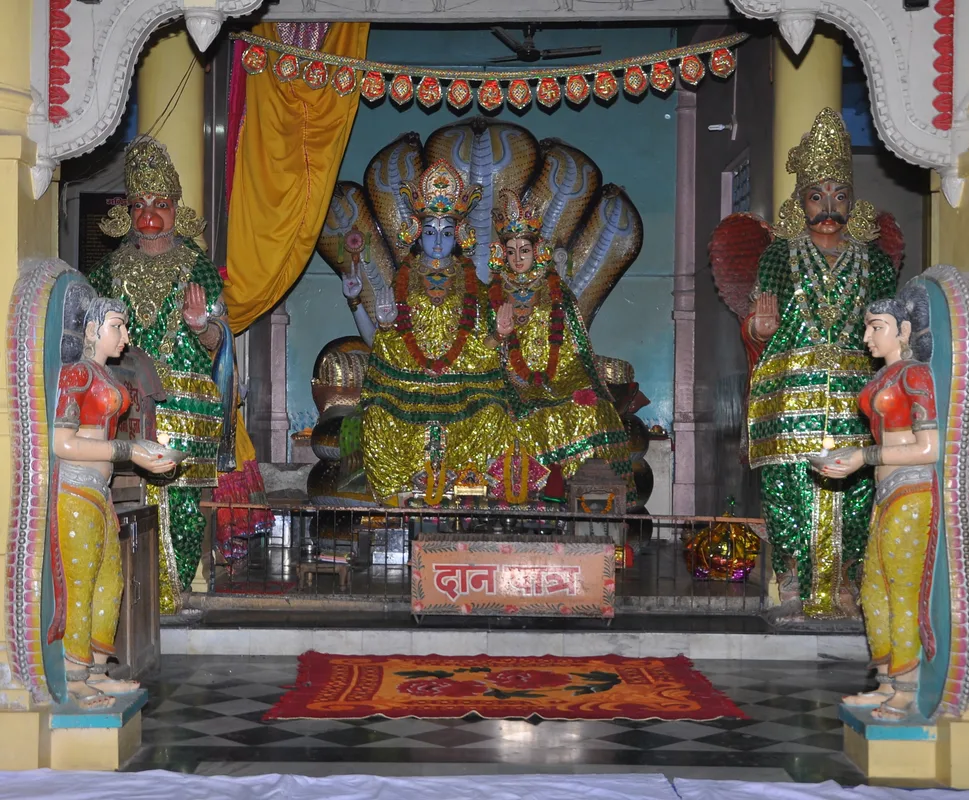
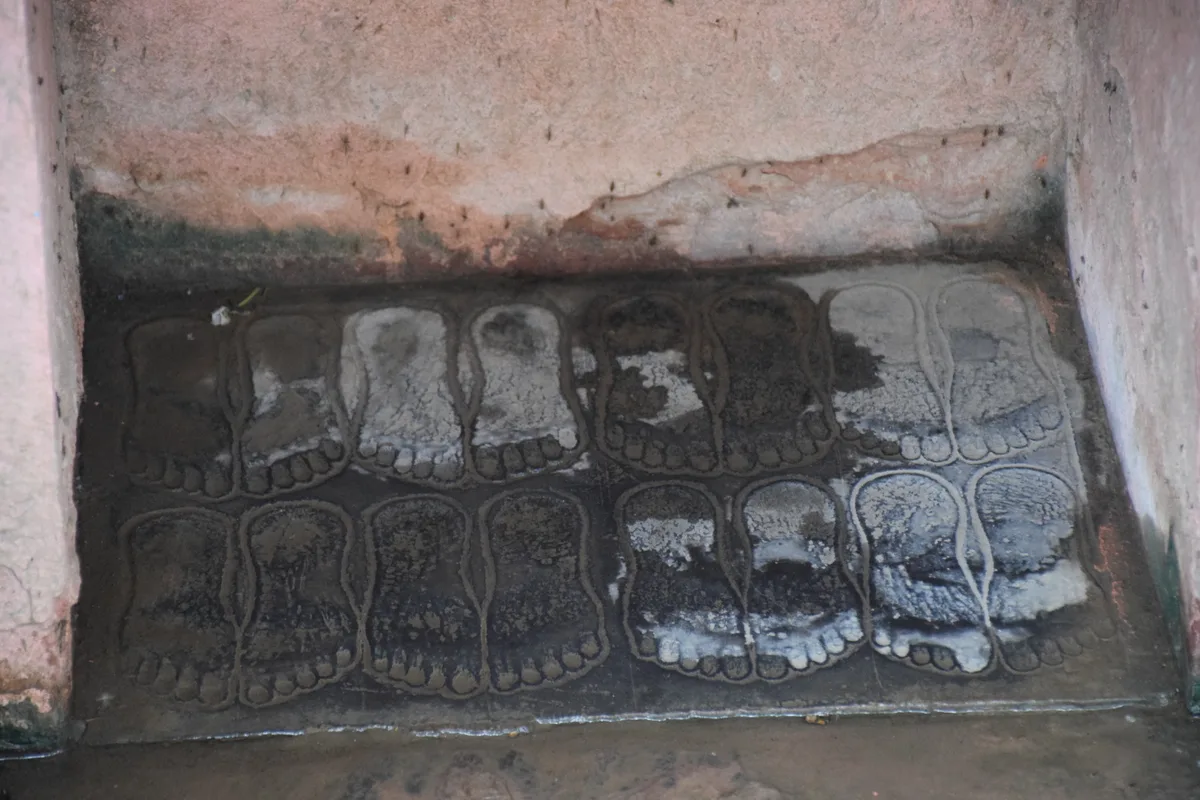
Here in Banshi Vat Temple devotees offered bhajans and Bhagvat Katha to Lord Krishna. It is also believed that Lord Krishna married Radha in this temple. And only three were present during marriage Lord Krishna, Radha, and Lord Brahma. The depicted here acknowledge the truth of this marriage. BRIJWASI will help you to see Vrindavan and understand the history of the most important places to visit. In Banshi Vat there are two mandirs out of them one is the small “ Charan” Mandir . Which is famous because of the divine “Charan” (footprints) of Shri Radha Krishna which were found in 1820 by a great Saint “Acharya Shri Girdhari Sharan Dev“. It is believed that Sage Girdhari Ji was a great devotee of Shri Krishna. Considering his serving and unconditional prayer Lord blessed him and gave him their “Charan Chinh (footprint).
Religious Practices & Traditions
Devotees take darshan of the presiding deity, offer traditional bhog and garlands, participate in morning and evening mangla/sandhya aartis, and perform parikrama of the sanctum.
Architecture & Structure
Built in traditional North Indian Braj architectural style with carved red sandstone arches, an inner sanctum (Garbha Griha), and an open courtyard for congregational prayer.
Photo Gallery
14 Photos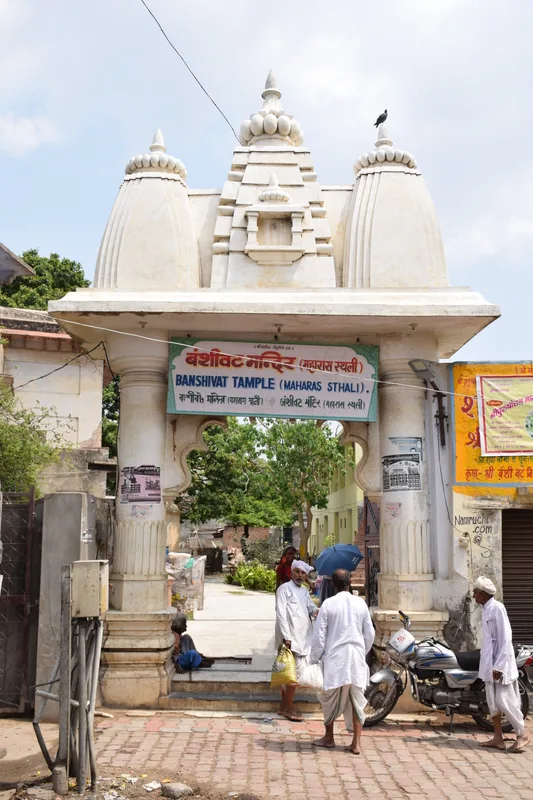
Travel & How to Reach
Accessible easily from Mathura and local transport routes in Vrindavan.
How to Reach
Directly accessible via auto-rickshaw, e-rickshaw, or private taxi from Mathura Junction (approx. 10-15 km).
Nearby Transit Hubs
Mathura Junction Railway Station, local e-rickshaw stands.
Footwear stands and locker facilities are available near the entrance. Photography rules apply inside the sanctum.